
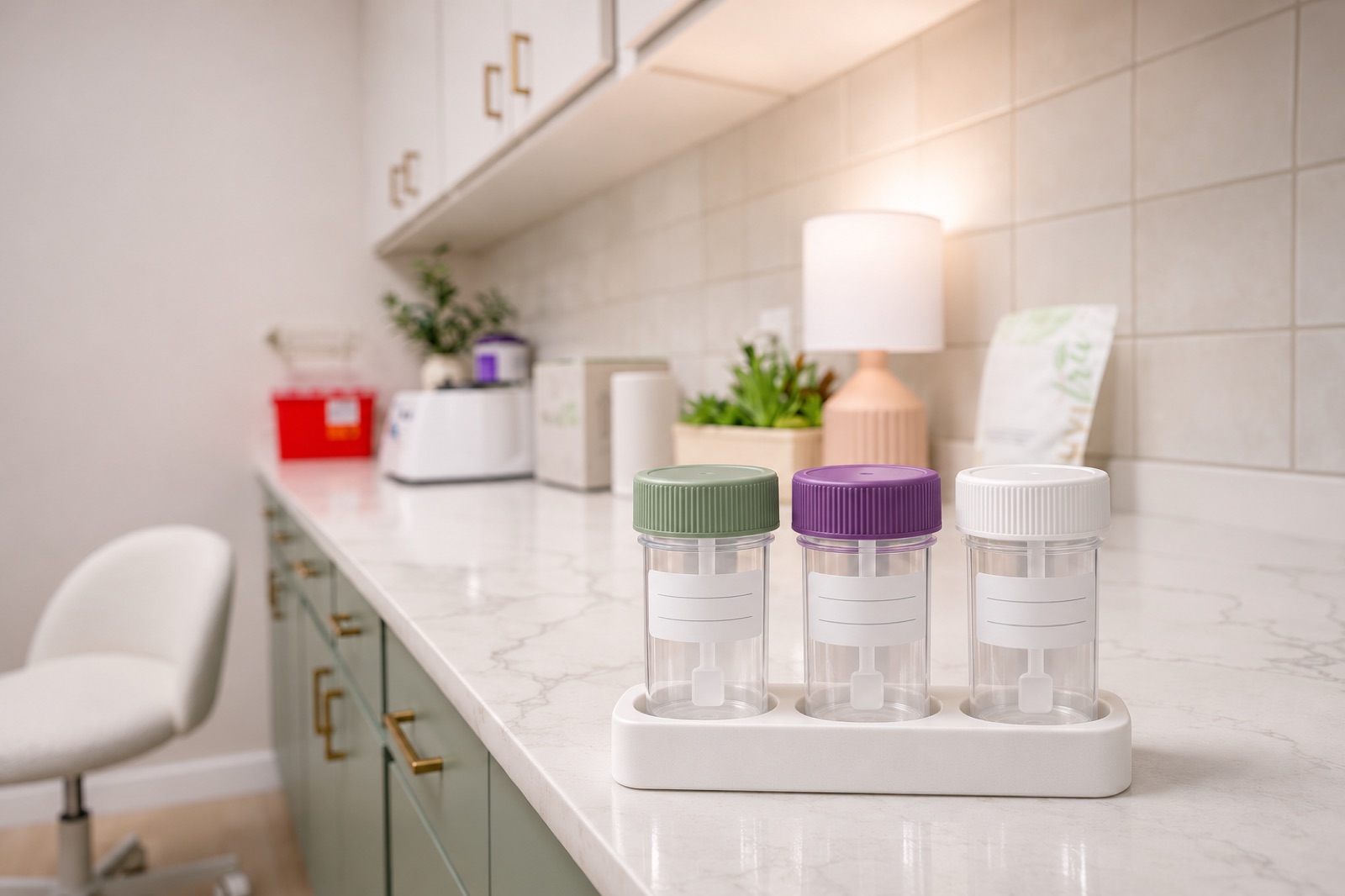
I've run just about every stool test on the market.
Over 11 years of working with patients on gut health, we've used the GI-MAP, the GI Effects, the older comprehensive digestive stool analyses, and a handful of newer microbiome tests that promised the moon. I'm always looking, too. If something comes out that's just as good and more affordable for my patients, I want to know about it. That's part of my job: making sure that when you invest in testing, you're getting the best information available for the money.
Here's why that matters. Your gut does far more than digest food. It's where a huge portion of your immune system lives. It helps regulate inflammation, hormone clearance, nutrient absorption, and even the chemical messengers that affect mood and focus. So when someone comes to me with bloating, constipation, reflux, skin flares, brain fog, hormone issues, fatigue, or weight that won't budge, the gut is almost always part of the conversation.
The problem is that symptoms alone do not tell us the whole story. Two people with similar bloating may need different evaluations. Depending on the history, we may consider diet, medication effects, digestive function, infection, or other causes. Stool testing can add information, but no single panel explains every symptom or replaces an appropriate medical workup.
What the Gut Zoomer Actually Measures
Gut Zoomer brings several categories of stool markers into one report. Here are the areas I review and the limitations I keep in mind.
Pathogens
The menu includes targeted bacteria, parasites, viruses, and fungi, including H. pylori and C. difficile toxin-related targets. A detected organism or target does not automatically mean it is the cause of symptoms or needs treatment.
Your commensal bacteria
These are everyday residents of the gut. Gut Zoomer reports a broad set of commensals and probiotic organisms, including Akkermansia, Bifidobacterium, and Lactobacillus groups. I review these patterns alongside symptoms and diet; a low stool abundance does not automatically mean a particular probiotic is needed.
Diversity
A diverse microbiome is generally a more resilient one. The test scores your diversity and looks at the balance between major groups of bacteria.
Inflammation
Markers like calprotectin and lactoferrin show whether the gut lining is inflamed, which helps me tell the difference between irritation and something that needs a closer medical look. It also includes a fecal immunochemical test (FIT), which screens for hidden blood in the stool.
Barrier and immune markers
The panel includes fecal zonulin, secretory IgA, and several antibody markers. These can contribute to a clinical discussion, but a stool zonulin result alone does not establish intestinal permeability or diagnose ‘leaky gut.’ Stool antibody results also do not replace standard testing for celiac disease or food allergy.
Digestion and absorption
Pancreatic elastase can help assess pancreatic digestive function. Fecal fat and fiber markers add information about digestion and absorption, but results need context, including stool consistency and other clinical findings.
What your bacteria are making
This is one reason I like the panel. It includes short-chain fatty acids such as butyrate, bile acids, and beta-glucuronidase. Butyrate is a fuel source for colon cells. Beta-glucuronidase is involved in deconjugation pathways, including hormone metabolism, but its stool level alone does not diagnose estrogen excess or explain a hormone symptom.
Gut neurotransmitters
The panel reports neurochemical markers, including serotonin, dopamine, GABA, and histamine. Interpretation is still evolving. Stool values do not tell us neurotransmitter levels in the brain and cannot diagnose anxiety, depression, or a neurotransmitter deficiency. I treat them as exploratory information rather than a reason to make a mental health diagnosis or change medication.
Antibiotic resistance genes
The report includes selected resistance genes, including markers relevant to H. pylori. A prescribing clinician may consider these alongside other evidence. Gene detection does not always show which organism carries the gene or prove whether a particular treatment will succeed.
Pattern scores
Gut Zoomer also groups microbial findings into scores related to areas such as IBS, SIBO, and metabolic health. These are not diagnoses. In particular, a stool pattern cannot establish bacterial overgrowth in the small intestine.
Gut Zoomer vs GI-MAP: My Honest Take
I want to be fair here, because the GI-MAP is a good test and I've used it for years. It's well known for a reason.
The GI-MAP uses quantitative polymerase chain reaction, or qPCR, to look for and quantify targeted microbial DNA. Its report includes H. pylori virulence factors and core markers of digestion, inflammation, and immune response. Detection still needs to be interpreted in the clinical context.
The Gut Zoomer combines several methods, including PCR, microarray technology, and mass spectrometry, which lets it measure more types of things in one test. Here's how they compare on the core panels:
| What I want to know | Gut Zoomer | GI-MAP core panel |
|---|---|---|
| Targeted pathogens | Bacteria, parasites, viruses, and fungi | Bacteria, parasites, viruses, and fungi |
| H. pylori virulence factors | Not listed in the reviewed marker menu | Included |
| Commensal / probiotic organisms | Broad commensal and probiotic marker menu | Selected commensal and opportunistic organisms |
| Microbiome diversity indices | Included | Not listed in core panel |
| Inflammation and immune response | Multiple inflammation, immune, and antibody markers | Calprotectin, sIgA, anti-gliadin IgA, and other markers |
| Fecal zonulin | Included | Optional add-on |
| Fat digestion / absorption | Multiple fecal fat markers | Steatocrit |
| Short-chain fatty acids | Included | Not in core panel |
| Bile acids | Included | Not in core panel |
| Neurochemical markers | Included; interpretation is evolving | Not in core panel |
| Selected antibiotic resistance genes | Included | Included |
So here is why the Gut Zoomer tends to win for me. I value having microbial findings, digestive markers, and metabolites in one report. It gives me more questions to explore alongside a patient's symptoms and history. A larger marker menu does not automatically mean a test is more accurate or produces better outcomes; this is my clinical preference for the kind of work we do.
That does not mean the GI-MAP is never the right choice. Its H. pylori virulence data may be relevant to a particular clinical question. The best choice depends on what we need to investigate, the patient's history, cost, and the test's limitations. Laboratory certification does not, by itself, establish the usefulness of every reported marker.
What about the at-home microbiome tests?
You'll see a lot of direct-to-consumer microbiome kits online, and some use impressive sequencing technology. They can be interesting for learning about your bacteria. But most don't include the clinical markers I rely on most, like inflammation, digestion, leaky gut, and pathogens. And a report is only as useful as the person interpreting it. That's a big reason I prefer a clinical-grade panel reviewed by someone who does this every day.
Who I Recommend the Gut Zoomer For
Depending on the history and prior evaluation, I may discuss stool testing when digestive symptoms occur alongside concerns such as:
- Bloating, gas, constipation, diarrhea, reflux, or IBS-type symptoms
- Symptoms that haven't improved with probiotics, elimination diets, or gut protocols you've already tried
- Skin issues like acne, eczema, or rosacea
- Hormone imbalances, heavy or painful periods, or signs of estrogen dominance
- Food sensitivities that keep growing
- Brain fog, anxiety, or low mood alongside gut symptoms
- Fatigue or autoimmune concerns where we suspect inflammation is a driver
- Weight that won't budge even when you're doing the right things
For someone without symptoms, I would discuss whether testing is likely to change care before ordering a broad panel. More data is not always more useful, and routine microbiome testing is not necessary for everyone.
Frequently Asked Questions
What is the Gut Zoomer?
The Gut Zoomer is a comprehensive at-home gut health test from Vibrant Wellness. It looks at pathogens, beneficial and commensal bacteria, microbiome diversity, inflammation, leaky gut markers, digestion, short chain fatty acids, bile acids, gut neurotransmitters, and antibiotic resistance genes.
Is the Gut Zoomer better than the GI-MAP?
It depends on the question. I often prefer Gut Zoomer for its combination of microbial, digestive, and metabolite markers. GI-MAP includes targeted microbial DNA testing and H. pylori virulence factors. More markers alone do not prove better accuracy or outcomes; discuss the exact panel with your clinician.
Does the Gut Zoomer test for leaky gut?
It includes fecal zonulin and immune-related markers that may inform a discussion about the gut barrier. These do not independently diagnose intestinal permeability or establish the cause of symptoms.
How do I take the Gut Zoomer?
Collect the sample at home using the instructions supplied with your kit. Ask your provider about timing after antibiotics, supplements, or procedures, and follow the current collection and shipping guidance. Do not stop prescribed medication without speaking to your prescriber.
Do I need help interpreting my results?
I strongly recommend it. The report is detailed, and the real value comes from connecting your results to your symptoms, history, and other labs. That's what turns data into a plan.
Order Your Gut Zoomer
If you have been trying to address persistent gut symptoms without a clear plan, talk with a clinician about the next step. Gut Zoomer is one panel I often choose when its markers fit the clinical question. I will keep evaluating other options, including cost and whether the results are likely to change your care.
You can order the Gut Zoomer directly from our shop, and our team can help you review your results and build a plan around them.
Ready to see what's really going on in your gut? Order the Gut Zoomer from the Nuvitru shop.
This article is for educational purposes only and is not a substitute for medical advice. The Gut Zoomer is a lab-developed test and is not intended to diagnose or treat any disease. Talk with your provider about which test is right for you.